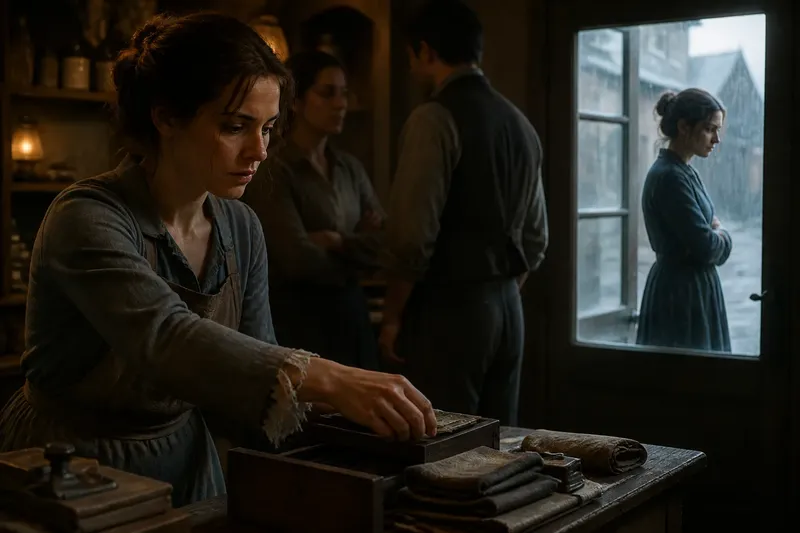
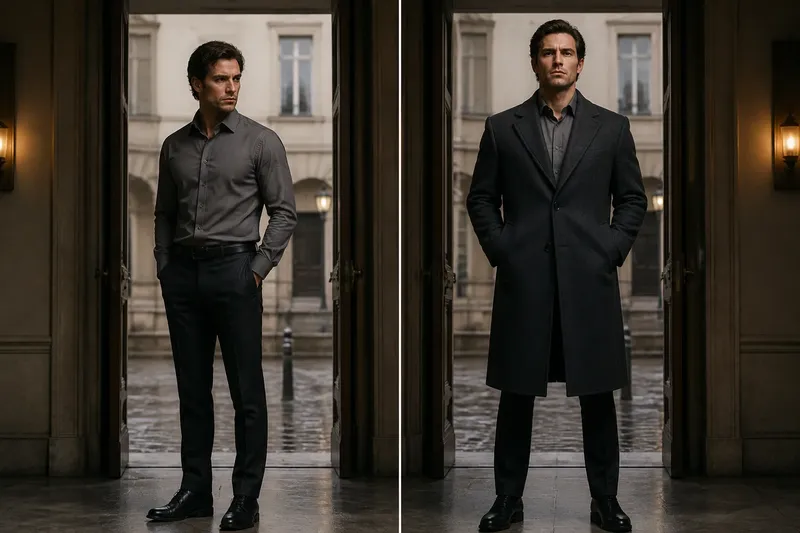
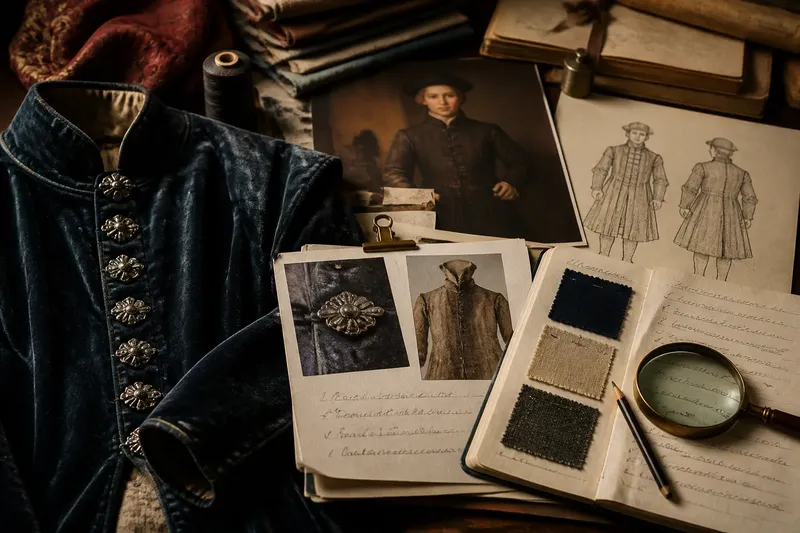
A Film Night for the Details: A Three-Pass Costume-Spotting Plan
Use this film costume-spotting plan to trace wardrobe choices, follow one character’s changing outfits, and read an accessory with stronger scene-based notes.
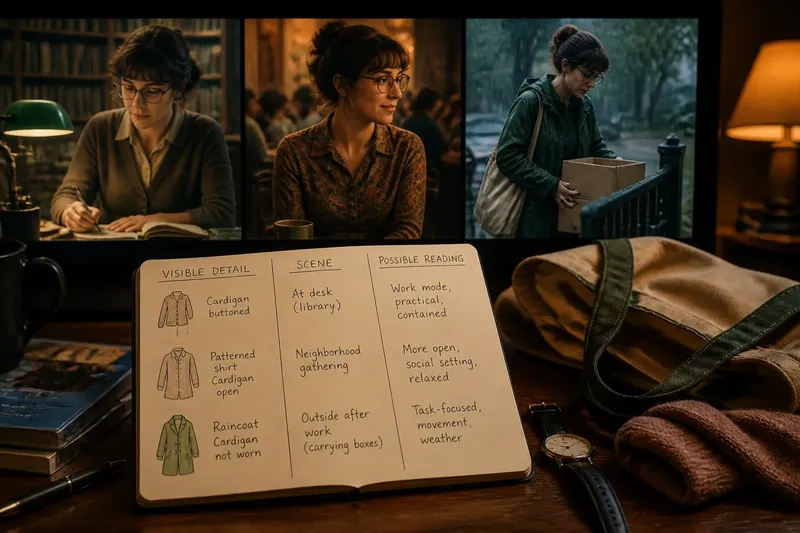
A film costume-spotting plan is more useful when each viewing pass has a distinct job: map the wardrobe, track one character’s changes, then examine one accessory. That order gives you a broad visual frame before you settle on what an individual detail might mean.
Choose a film you can replay and open a notebook or notes app. Keep three columns: visible detail, scene, and possible reading. A jacket left on a chair belongs in the first column; an idea about why the character removed it belongs in the third. Separating the two makes an early impression easier to revise.
Map the film’s wardrobe before following one person
Watch once without pausing, taking only a few notes about how clothing relates to the film’s settings and activities. Notice whether a workplace has a distinct dress style, whether people change for travel or social events, and whether any garment stands out against the room around it. These broad contrasts help you choose a useful subject for a closer look.
After the film, select one character whose clothing appears in more than one situation. The choice need not be the lead role or the most elaborate wardrobe. A supporting character who moves between home, work, and public spaces may offer a clearer sequence to follow.
Say you watch an invented drama in which a fictional librarian appears at a desk, at a neighborhood gathering, and outdoors after work. Your first notes record a buttoned cardigan at the desk, a patterned shirt at the gathering, and a raincoat outside. The result is a manageable subject for the next pass: one character whose clothes differ by setting, rather than a vague claim about the film’s entire style.
Track the choices that shape one character’s screen presence
On the second viewing, note the character’s outfit at each scene change that matters. Record clothing pieces, condition, and visible actions: a scarf is tied, a coat is carried, or shoes are changed before entering a room. Then compare the scenes by asking what the clothing enables or emphasizes in that moment.
Rather than making a list of every garment, look for a choice that affects how the character occupies the scene. A stiff collar may keep the character looking formal during a tense conversation; sleeves rolled up for a task may make the same person seem more physically engaged. Keep the description literal, and allow the surrounding action to shape any interpretation.
For the invented librarian, imagine the second viewing shows the cardigan buttoned at the desk, open during the gathering, and absent when the character carries boxes outside. The actual notes might read: “buttoned at work; open at gathering; not worn during outdoor task.” A reasonable reading is that clothing shifts with activity and social setting; the notes do not establish a hidden change in personality.
Give one accessory a focused viewing
Choose an item that is easy to recognize, such as a canvas bag, a hat, a watch, or a pair of gloves. Follow what happens to it rather than assuming that its type carries a fixed meaning. Note who handles it, where it appears, and whether it is used, set down, or passed to someone else.
Imagine the librarian carries a canvas bag at the desk, places it beside a chair at the gathering, and takes it outdoors while carrying boxes. The notes now show that the bag accompanies the character across distinct settings and is used to carry things. That supports a modest reading about routine and movement between places, while leaving open whether the film gives the bag any additional symbolic role.
Use a note list that leads to a clear decision
Before writing a final reading, check each note against the scene. The following prompts turn observation into a practical choice about what to keep, revise, or leave unresolved:
- Wardrobe pattern: Check whether a clothing choice recurs in identifiable scenes; if it does, note those scenes together, but if it appears only once, describe it as a single detail rather than a pattern.
- Character change: Check which garment changes between the character’s settings; if the change aligns with a visible activity or location, record that connection, but if the reason is unclear, leave the cause open.
- Stable detail: Check whether one item remains consistent across scenes; if it does, use it as a point of comparison, but if it does not, avoid describing the character’s wardrobe as fixed.
- Accessory handling: Check who wears, carries, or moves the item; if handling changes, describe the change, but if the item is merely visible, do not claim it has been transferred or used.
- Scene evidence: Check what is happening when the clothing appears; if the action supports a reading, name the action beside it, but if context is sparse, keep the interpretation tentative.
- Alternative reading: Check whether weather, work, comfort, or setting could explain the choice; if an ordinary explanation fits, retain it as an alternative, but if none fits clearly, leave the meaning unresolved.
What should you write down during each pass?
Should I pause while the film is playing?
Let the first viewing run so the story and wardrobe remain in context. On later viewings, pause only to confirm a detail such as whether an item was worn or carried, then record the scene before drawing a conclusion.
How should I choose a character to follow?
Choose someone whose clothing can be seen in distinct situations and whose scenes are easy to identify. If the character’s wardrobe remains similar throughout, switch to someone with clearer visible changes rather than forcing a pattern.
What counts as an accessory?
For this exercise, an accessory is a distinct item worn, carried, or handled alongside clothing, such as a bag, scarf, hat, watch, or gloves. Choose one that can be recognized in the scenes you are tracking.
How can I keep an interpretation grounded?
Write the visible action first, then connect a possible meaning to the scene that supports it. If another ordinary explanation fits, keep it in view; if the film offers little evidence, leave the detail unexplained.
Write a reading that can change with new evidence
Bring the broad wardrobe map, the character’s clothing choices, and the accessory record together in a short paragraph. Name the scenes you are relying on and distinguish what they show from what you think they suggest. A film costume-spotting plan should make the final note more precise, not more certain.
For the invented librarian, a careful ending might say that the cardigan changes across work and social scenes, while the canvas bag accompanies the character through several settings and carries practical items. The useful last check is to keep scene references beside each claim: if a later viewing changes your reading, you can see exactly which observation led you there.